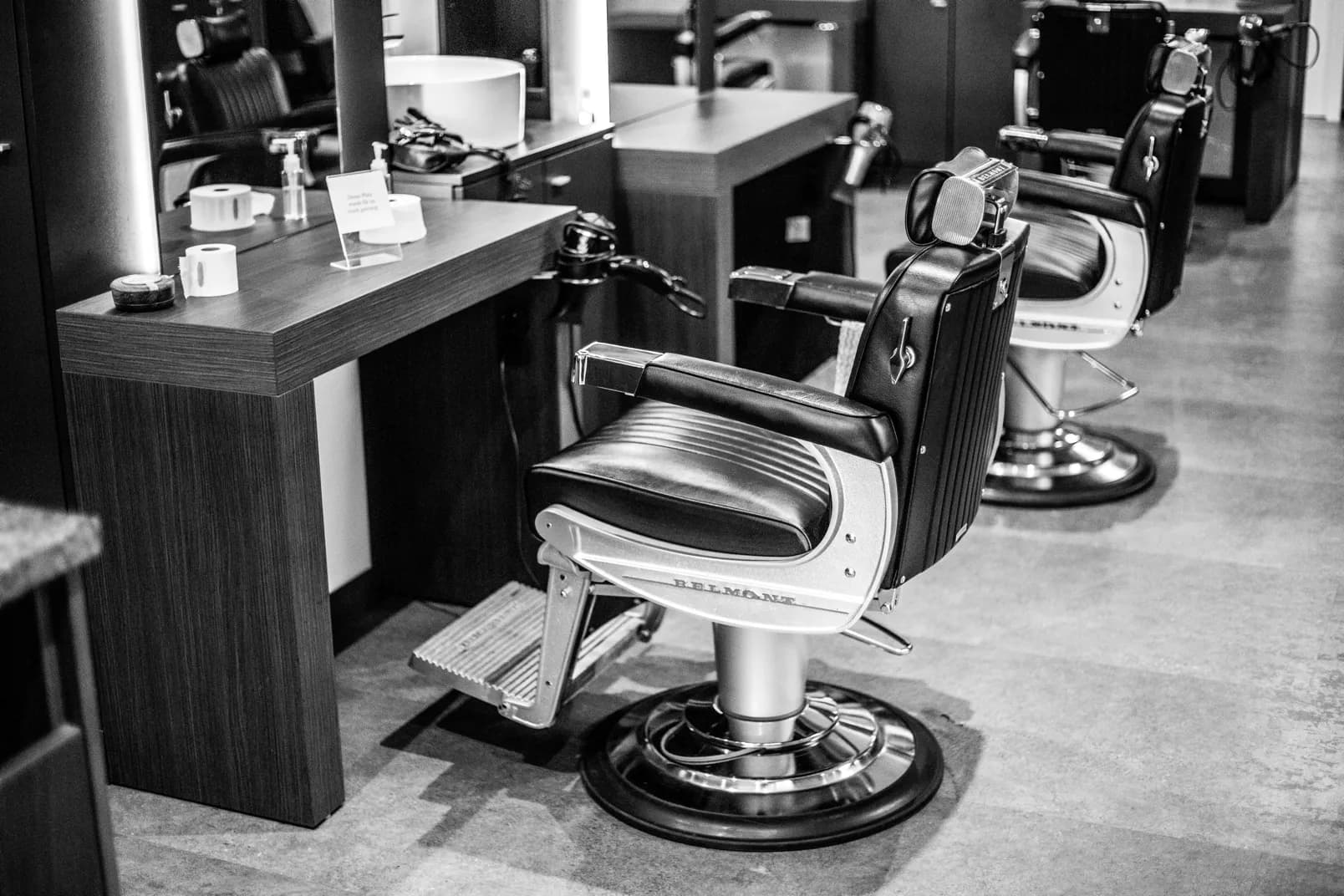

Jeder Studiobesitzer steht irgendwann vor der gleichen Frage: Soll ich Laufkundschaft annehmen oder nur mit Termin arbeiten? Die Antwort ist selten das eine oder das andere. Die meisten erfolgreichen Studios landen irgendwo dazwischen, und die richtige Balance hängt von Faktoren ab, die spezifisch für dein Geschäft, deinen Standort und deine Art der Arbeit sind.
Das ist keine Debatte mit einem Gewinner. Walk-ins und Termine lösen unterschiedliche Probleme. Das Ziel ist zu verstehen, wann welcher Ansatz am besten funktioniert, und ein System zu bauen, das die Vorteile beider nutzt.
Was für Termine spricht
Termine geben dir Kontrolle. Du weißt, wer kommt, wann und für welche Leistung. Du kannst dich vorbereiten, die richtige Zeit einplanen und deinen Tag ohne Überraschungen strukturieren. Für Studios mit längeren oder komplexeren Dienstleistungen ist diese Struktur unverzichtbar.
Planbarer Umsatz. Ein voller Terminkalender bedeutet, dass du ungefähr weißt, was du an dem Tag verdienst, bevor du überhaupt öffnest. Das macht Finanzplanung, Personalentscheidungen und Materialbestellungen deutlich einfacher.
Besseres Zeitmanagement. Wenn jeder Slot verplant ist, kannst du Sitzungen so verteilen, dass du Pausen einbaust, Burnout vermeidest und pünktlich Feierabend machst. Vergleich das mit einem Tag voller Laufkundschaft, an dem um 18 Uhr noch drei Leute auftauchen und du bis 21 Uhr arbeitest.
Vorbereitungszeit. Manche Dienstleistungen erfordern Recherche oder Setup. Ein Tattoo-Artist muss vielleicht ein Custom-Design finalisieren. Ein Colorist muss die Kundenhistorie durchgehen, bevor er die Farbe mischt. Termine geben dir die Vorlaufzeit, diese Arbeit vor dem Eintreffen des Kunden zu erledigen.
Kürzere Wartezeiten. Kunden mit Termin erwarten, zur vereinbarten Zeit dranzukommen. Wenn du terminbasiert arbeitest, kannst du das zuverlässig liefern. In Walk-in-lastigen Umgebungen wartet immer jemand, und wartende Kunden sind unruhige Kunden.
Höherer Durchschnittsumsatz. Terminkunden buchen tendenziell aufwändigere Leistungen. Sie hatten Zeit, sich zu überlegen, was sie wollen, es vorab zu kommunizieren und sich auf den Zeit- und Kostenaufwand einzulassen. Laufkundschaft tendiert eher zu einfacheren, schnelleren Optionen.
Was für Laufkundschaft spricht
Walk-ins bringen Energie, Spontanität und eine Umsatzquelle, die keinerlei Marketingausgaben erfordert. Jemand, der durch deine Tür kommt, weil ihm gefallen hat, was er im Schaufenster gesehen hat, ist die reinste Form organischer Kundengewinnung.
Keine Akquisekosten. Du hast keine Anzeige geschaltet. Du hast keine Kampagne gefahren. Die Person ist einfach aufgetaucht. Wenn du diesen Walk-in in einen Stammkunden verwandelst, hast du jemanden gewonnen, der dich nur einen guten ersten Eindruck gekostet hat.
Füllt tote Zeiten. Jedes Studio hat ruhige Phasen. Dienstagnachmittag. Mittwochmorgen. Januar. Walk-ins machen aus diesen leeren Stunden Umsatz. Ein reines Terminmodell bedeutet, dass diese Lücken leer bleiben, es sei denn, du arbeitest aktiv daran, sie zu füllen.
Stärkt die lokale Reputation. Studios, die Laufkundschaft willkommen heißen, werden Teil des Viertels. Leute empfehlen dich an Freunde, Touristen stolpern herein, andere Geschäfte in der Straße verweisen Leute an dich. Das ist besonders wirkungsvoll in Gegenden mit Fußverkehr durch Hotels, Geschäfte oder Gastronomie.
Fängt Impulsentscheidungen auf. Nicht jede Dienstleistung erfordert wochenlange Planung. Jemand, der an einem Nagelstudio vorbeigeht und denkt "Ich könnte eine Maniküre gebrauchen", ist ein echter Kunde mit echtem Geld. Ihn dazu zu bringen, erst einen Termin zu buchen und ein anderes Mal wiederzukommen, bedeutet, einen Teil dieser Impulsentscheidungen zu verlieren.
Testet Nachfrage. Laufkundschaft ist ehrliches Marktfeedback. Wenn regelmäßig Leute reinkommen und nach einer Dienstleistung fragen, die du nicht anbietest, sind das Daten. Wenn Walk-ins zu bestimmten Zeiten ausbleiben, sagt dir das etwas über die Verkehrsmuster deines Standorts.
Der Standort ist entscheidender als du denkst
Der wichtigste Faktor bei der Walk-in-vs.-Termin-Entscheidung ist, wo dein Studio ist. Ein Laden im Erdgeschoss an einer belebten Fußgängerzone steht vor einer fundamental anderen Realität als ein Studio im zweiten Stock eines Bürogebäudes.
Standorte mit viel Fußverkehr (Einkaufsstraßen, Touristengebiete, Verkehrsknotenpunkte, neben Einkaufszentren) sollten Walk-ins aktiv nutzen. Du zahlst Premiummiete für diese Sichtbarkeit. Wenn du die vorbeilaufenden Menschen nicht abfängst, verschwendest du eines deiner größten Assets.
Ziel-Studios (Wohngebiete, obere Stockwerke, Gewerbegebiete, Vororte) tendieren natürlich zu reiner Terminbuchung. Niemand läuft zufällig an einem Studio im dritten Stock in einer ruhigen Wohngegend vorbei. Deine Kunden kommen, weil sie es geplant haben, und dein Betrieb sollte das widerspiegeln.
Mischstandorte (Seitenstraßen abseits belebter Bereiche, Erdgeschoss in einem gemischten Viertel) profitieren am meisten von einem Hybridansatz. Du bekommst etwas natürlichen Fußverkehr, aber nicht genug, um dich darauf zu verlassen. Bau dein Fundament auf Terminen auf und nimm Walk-ins als Bonus mit.
Schau dir deinen Fußverkehr ehrlich an, bevor du dich entscheidest. Sitz eine Woche lang in deinem Studio und zähle, wie viele Leute vorbeigehen, wie viele reinschauen und wie viele eintreten würden, wenn du ein klares "Walk-ins willkommen"-Schild hättest. Die Zahlen könnten dich in beide Richtungen überraschen.
Ein Hybridsystem, das funktioniert
Die meisten Studios landen bei irgendeiner Version eines Hybridmodells. Der Schlüssel ist, es bewusst zu gestalten, statt es chaotisch passieren zu lassen.
Pufferzeit zwischen Terminen
Der einfachste Weg, Walk-ins in einen terminbasierten Ablauf einzubauen, ist Pufferzeit. Statt Termine direkt hintereinander zu buchen, lässt du Lücken.
Wie viel Puffer du brauchst, hängt von deinen Dienstleistungen ab. Bei schnellen Services (15 bis 30 Minuten) reicht vielleicht ein 30-Minuten-Puffer alle paar Stunden. Bei längeren Leistungen blockst du vielleicht eine ganze Stunde am Nachmittag speziell für Walk-ins.
Wichtig ist, diese Puffer zu schützen. Es ist verlockend, sie mit Terminen zu füllen, wenn jemand fragt. Aber wenn du konsequent deine Walk-in-Zeit verplanst, verlierst du die Flexibilität, die das Hybridmodell ausmacht.
Tracke deine Walk-in-Muster über ein paar Wochen, bevor du deine Puffer festlegst. Du wirst schnell sehen, wann Walk-ins am wahrscheinlichsten sind (typischerweise früher Nachmittag und Wochenende) und kannst deine Puffer entsprechend platzieren.
Feste Walk-in-Zeiten
Manche Studios gehen strukturierter vor und legen bestimmte Stunden oder Tage als Walk-in-freundlich fest. "Walk-ins willkommen Dienstag bis Donnerstag, 12 bis 16 Uhr" gibt Leuten ein klares Zeitfenster, während der Rest des Kalenders terminbasiert bleibt.
Das funktioniert besonders gut, wenn du mehrere Mitarbeiter hast. Eine Person übernimmt Walk-ins während der festgelegten Zeiten, während die anderen mit geplanten Kunden arbeiten. Der Walk-in-Artist rotiert, sodass niemand jeden Tag mit unplanbarem Scheduling feststeckt.
Das Walk-in-Menü
Nicht jede Leistung in deinem Angebot muss für Walk-ins verfügbar sein. Erstelle ein spezielles Walk-in-Menü mit Services, die schnell gehen, keine Beratung erfordern und zeitlich vorhersehbar sind. Ein Tattoo-Studio bietet vielleicht Flash-Designs für Walk-ins an, verlangt aber für Custom-Arbeit einen Termin. Ein Salon macht Föhnen und Schneiden für Walk-ins, bucht Farbe aber vorab.
Das gibt Laufkundschaft klare Optionen, ohne deinen geplanten Ablauf zu stören. Es setzt auch Erwartungen: Der Walk-in weiß, was er heute bekommen kann und was Planung erfordert.
Beschilderung und Kommunikation
Wie du deine Walk-in-Politik kommunizierst, ist genauso wichtig wie die Politik selbst. Unklarheit kostet dich Kunden in beide Richtungen. Leute, die reinkommen würden, tun es nicht, weil sie annehmen, du arbeitest nur mit Termin. Leute, die buchen würden, tauchen einfach auf und sind frustriert, wenn sie nicht drankommen.
Beschilderung außen. Wenn du Walk-ins annimmst, sag es sichtbar. Ein Schild im Fenster mit "Walk-ins willkommen" oder "Ohne Termin für [Leistungen]" beseitigt die größte Hürde: Unsicherheit. Aktualisiere es in Echtzeit. Ein "Heute Walk-in-Plätze verfügbar"-Schild, das du auf "Heute ausgebucht, Termine verfügbar" umdrehst, wenn du voll bist, ist der Goldstandard.
Online-Präsenz. Deine Website und Social Media sollten klar deine Walk-in-Politik nennen. Viele Leute schauen online nach, bevor sie vorbeikommen, selbst für Walk-in-Services. "Walk-ins willkommen [Uhrzeiten]" in deinem Google-Business-Profil erreicht Leute, die nach sofortiger Verfügbarkeit suchen.
Kommunikation im Studio. Wenn ein Walk-in reinkommt, sollte das Erste, was er hört, die Wartezeit sein. "Wir können dich in etwa 20 Minuten drannehmen" oder "Wir sind gerade ausgebucht, aber um 15 Uhr hätte ich einen Platz" gibt ihm Informationen, um eine Entscheidung zu treffen. Niemand sitzt gerne 45 Minuten rum und merkt dann, dass er immer noch wartet, ohne ein Update bekommen zu haben.
Walk-ins zu Stammkunden machen
Ein Walk-in ist ein einmaliges Ereignis. Ein Stammkunde ist eine Umsatzquelle. Die Lücke dazwischen schließt sich in den Minuten nach Abschluss der Leistung.
Buche den Folgetermin, bevor sie gehen. Das ist die wirksamste Conversion-Taktik. Ein Walk-in, der mit einer Karte geht, auf der steht "Dein nächster Termin ist am [Datum]", ist kein Walk-in mehr. Er ist ein Kunde. Hier zahlt sich ein solider Post-Session-Workflow aus.
Sammle Kontaktdaten. Mindestens Name und Telefonnummer. Wenn dein Aufnahmeprozess das beim Check-in erfasst, musst du am Ende nicht umständlich danach fragen. Ein reibungsloser Check-in-Prozess erledigt das ganz natürlich.
Melde dich nach. Eine Nachricht ein oder zwei Tage nach dem Besuch mit "Danke fürs Vorbeikommen, ich hoffe, du bist zufrieden mit dem Ergebnis" erinnert daran, dass du existierst, und öffnet die Tür für eine Neubuchung. Die meisten Studios melden sich bei Walk-ins nie, was eine verpasste Chance ist.
Fotografiere die Arbeit. Wenn die Leistung ein visuelles Ergebnis hat, mach ein gutes Foto mit Erlaubnis. Schick es dem Kunden. Das gibt ihm etwas zum Teilen auf Social Media (kostenloses Marketing für dich) und schafft einen Anknüpfungspunkt für zukünftigen Kontakt.
Walk-in-Conversion ist der eigentliche Wert. Ein einzelner Walk-in, der über das nächste Jahr zum monatlichen Stammkunden wird, ist weit mehr wert als ein Dutzend einmaliger Besucher.
Wann ein reines Terminmodell sinnvoll ist
Es gibt legitime Gründe, nur mit Terminen zu arbeiten, und du solltest dich nicht unter Druck gesetzt fühlen, Walk-ins anzunehmen, wenn es nicht zu deinem Modell passt.
Lange oder komplexe Leistungen. Wenn deine durchschnittliche Behandlung zwei Stunden oder mehr dauert, funktionieren Walk-ins logistisch nicht. Du kannst niemanden bitten, zwei Stunden zu warten, und du kannst eine komplexe Leistung nicht hetzen, um ihn reinzuquetschen.
Stark nachgefragte Dienstleister. Wenn du durchgehend Wochen im Voraus ausgebucht bist, ist Walk-in-Verfügbarkeit irrelevant. Deine Zeit ist voll verplant, und Puffer-Slots einzubauen würde nur weniger Umsatz bedeuten.
Beratungspflichtige Leistungen. Manche Leistungen brauchen ein Vorgespräch. Medizinische Ästhetik, komplexe Tattoo-Arbeit, größere Farbveränderungen. Das Walk-in-Modell funktioniert nicht, wenn die Leistung Planung erfordert, die nicht spontan passieren kann.
Kleine oder Solo-Betriebe. Wenn du die einzige Person im Studio bist, ist es physisch unmöglich, einen Walk-in zu bedienen, während du mitten in einer Sitzung mit einem gebuchten Kunden steckst. Nur-Termin-Betrieb lässt dich dich voll auf einen Kunden konzentrieren.
Premium-Positionierung. Manche Studios nutzen bewusst das Nur-Termin-Modell als Teil ihrer Marke. Exklusivität und Knappheit können Teil des Wertangebots sein. Das funktioniert, wenn deine Arbeit und dein Ruf die Positionierung tragen.
Wenn du dich für ein reines Terminmodell entscheidest, mach den Buchungsprozess so reibungslos wie möglich. Je einfacher die Buchung, desto weniger verlierst du dadurch, keine Walk-ins anzunehmen. Mach deinen Buchungslink überall sichtbar, reagiere schnell auf Anfragen und halte deine Verfügbarkeit aktuell.
Wann Walk-in-Freundlichkeit sinnvoll ist
Am anderen Ende des Spektrums gibt es Geschäfte, die primär von Laufkundschaft leben, und ein Terminmodell zu erzwingen, würde ihnen schaden.
Schnelle Dienstleistungen. Wenn deine durchschnittliche Leistung unter 30 Minuten dauert, lohnt sich der Aufwand von Buchung und Bestätigung möglicherweise nicht. Barbershops, Express-Nagelstudios und Blowout-Bars fahren oft besser mit einem Walk-in-Modell und einem Warteschlangensystem.
Touristen- oder Hochfrequenz-Gebiete. Wenn dein Kundenstamm größtenteils aus Durchreisenden besteht, sind Termine unpraktisch. Touristen buchen keine Maniküre drei Tage im Voraus. Sie wollen es jetzt. Dein Modell sollte zum Verhalten deiner Kunden passen.
Flash-Events und Aktionen. Tattoo-Flash-Days, Piercing-Specials und Quick-Service-Aktionen sind von Natur aus Walk-in-Events. Selbst terminbasierte Studios profitieren von gelegentlichen Walk-in-Events, um neue Gesichter anzulocken.
Neue Studios, die einen Kundenstamm aufbauen. Wenn du neu bist und dein Terminkalender noch nicht voll ist, bedeutet Walk-ins abzulehnen, Umsatz und potenzielle Stammkunden abzulehnen. Starte Walk-in-freundlich und schwenke auf Termine um, wenn die Nachfrage wächst.
Umgang mit Walk-ins bei vollem Kalender
Das ist der Moment, der Studios, die wachsen, von Studios, die stagnieren, trennt. Ein voll gebuchter Tag mit einem Walk-in an der Tür ist kein Problem. Es ist eine Chance.
Schicke niemanden kalt weg. "Wir sind ausgebucht" ohne Nachsatz ist ein verlorener Kunde. Biete immer eine Alternative: "Heute sind wir voll, aber morgen um 14 Uhr hätte ich einen Platz. Soll ich dich einbuchen?"
Zeig das Portfolio. Auch wenn du heute nicht bedienen kannst, kannst du die Person davon überzeugen, wiederzukommen. Zeig deine Arbeit, erkläre dein Angebot, gib ihr einen Grund zu buchen, statt ihr nur zu sagen, sie soll irgendwann wiederkommen.
Nimm Kontaktdaten auf. Wenn eine Absage später am Tag einen Slot frei macht, kannst du dich melden. Das verwandelt eine Absage in eine Rettung, und der Kunde erinnert sich, dass du dir die Mühe gemacht hast.
Führe eine Warteliste. An vollen Tagen, notiere, wer reinkam und wann. Wenn sich Muster zeigen (du weist jeden Samstagnachmittag drei Walk-ins ab), ist das ein Signal, deinen Zeitplan anzupassen. Vielleicht musst du Samstagnachmittage leichter mit Terminen bestücken oder einen zweiten Mitarbeiter einplanen.
Sei aufrichtig freundlich. Der Walk-in hat nichts falsch gemacht, indem er aufgetaucht ist. Er mochte dein Studio genug, um reinzukommen. Das ist ein Kompliment. Behandle es als solches, auch wenn du gerade nicht helfen kannst.
Deine Balance finden
Der richtige Mix aus Walk-ins und Terminen ist nichts, was du einmal festlegst und vergisst. Er verschiebt sich mit den Jahreszeiten, mit deiner Reputation, mit Personaländerungen und mit der Nachbarschaft um dich herum.
Schau dir zuerst an, was du hast. Wenn dein Terminkalender durchgehend voll ist und du Walk-ins abweist, ist das ein Signal, dass deine aktuelle Balance funktioniert, du aber möglicherweise Geld liegen lässt. Wenn du regelmäßig Lücken im Zeitplan hast, kann Walk-in-Verfügbarkeit während dieser Fenster sie füllen.
Prüfe deine Daten jeden Monat. Welcher Prozentsatz deines Umsatzes kommt von Walk-ins? Wie hoch ist die Conversion-Rate von Walk-in zu Stammkunde? An welchen Tagen und zu welchen Uhrzeiten gibt es den meisten Walk-in-Traffic? Die Antworten zeigen dir, wo du justieren musst.
Sprich auch mit deinen Kunden. Manche werden dir sagen, dass sie fast nicht reingekommen wären, weil sie nicht sicher waren, ob Walk-ins willkommen sind. Andere schätzen die Struktur von Terminen. Beide Perspektiven zählen.
Die Studios, die das gut machen, wählen keine Seite. Sie bauen ein System, das sowohl den Kunden bedient, der vorausplant, als auch den, der sich spontan entscheidet. Diese Flexibilität, bewusst umgesetzt, ist ein Wettbewerbsvorteil.
Häufig gestellte Fragen
Sollte mein Studio nur mit Termin arbeiten oder auch Laufkundschaft annehmen?
Das hängt von deinem Standort, deinen Dienstleistungen und deiner Kapazität ab. Standorte mit viel Fußverkehr profitieren erheblich von Walk-ins. Ziel-Studios mit langen oder komplexen Leistungen funktionieren oft besser mit reiner Terminbuchung. Viele Studios finden einen Hybridansatz am besten: geplante Termine als Fundament mit Puffer-Slots oder festen Zeiten für Walk-ins zu Stoßzeiten.
Wie gehe ich mit Laufkundschaft um, wenn mein Terminkalender voll ist?
Schicke niemanden mit leeren Händen weg. Begrüße die Person freundlich, zeige dein Portfolio und biete an, einen Termin für einen anderen Tag zu buchen. Nimm die Kontaktdaten auf, damit du dich melden kannst, falls eine Absage einen Slot frei macht. Ein Walk-in, der mit einem zukünftigen Termin geht, ist ein Kunde, den du ohne Marketingkosten gewonnen hast.
Wie viel Pufferzeit sollte ich zwischen Terminen für Laufkundschaft einplanen?
Starte mit 15 bis 30 Minuten Puffer zwischen geplanten Terminen während deiner stärksten Walk-in-Zeiten. Beobachte über ein paar Wochen, wie oft diese Puffer genutzt werden, und passe von dort aus an. Wenn sie regelmäßig ungenutzt bleiben, mach deinen Zeitplan enger. Wenn du trotz Puffern immer noch Walk-ins abweisen musst, füge mehr hinzu oder verlängere sie. Das Ziel ist genug Flexibilität, um Walk-in-Umsatz mitzunehmen, ohne zu viel ungebuchte Zeit zu lassen.