
Setting up a studio is one of those things that feels like it should be straightforward. Find a space, put your equipment in it, open the doors. In reality, every decision you make during setup shapes how your business operates for years. A poorly planned layout creates daily friction. Bad lighting means bad photos of your work. Inadequate ventilation turns into a health issue. The space you build is the environment where you spend most of your waking hours and where your clients form their impression of your business.
This guide covers the practical considerations for setting up a professional studio space, whether you are starting from scratch or moving into a new location. It applies to tattoo studios, hair salons, beauty clinics, barbershops, and any appointment-based service business where the physical space matters.
Choosing a location
The location decision is part business strategy, part financial calculation. Where you set up determines your rent, your visibility, your client demographics, and your daily commute. Get this wrong, and everything else becomes harder.
Foot traffic vs. destination
Some businesses need foot traffic. Barbershops, nail salons, and walk-in-friendly studios benefit from being on a busy street where passersby can see the space and walk in. If a meaningful portion of your revenue comes from spontaneous visits, visibility matters.
Other businesses are destinations. Tattoo studios, aesthetic clinics, and specialty salons typically work by appointment. Clients are not walking past and deciding on impulse to get a tattoo. They found you online, looked at your portfolio, and booked in advance. For destination businesses, a quieter location with lower rent is often the smarter move. The money you save on rent can go into a better interior, better equipment, or a longer runway before you need to turn a profit.
Ask yourself: how do my clients find me? If the answer is mostly referrals, social media, and online search, you do not need to pay a premium for a high-traffic storefront. If the answer is walk-ins, you probably do.
Rent and lease terms
Rent is typically your largest fixed cost after payroll. Before signing anything, understand the full picture:
- Base rent vs. total cost. Ask about common area maintenance fees, property taxes passed to tenants, insurance requirements, and utility costs that may not be included in the quoted rent.
- Lease length. Longer leases often come with lower rates, but they lock you in. A three-year lease with renewal options is a reasonable starting point for a new studio. Avoid signing a five-year lease before you know the location works for you.
- Build-out allowances. Some landlords offer a tenant improvement allowance, especially for spaces that need renovation. This can offset a significant portion of your setup costs. Always ask. The worst they can say is no.
- Permitted use. Make sure the lease explicitly allows your type of business. Some commercial leases restrict certain activities, and discovering this after you have signed is a problem you do not want.
Zoning and permits
Before you fall in love with a space, verify that your business is allowed to operate there. Zoning regulations vary by city and district. Some areas restrict businesses that involve skin penetration (tattoos, piercings, microblading), chemical treatments, or specific types of waste disposal.
Contact your local planning department early. You also need to understand what permits and licenses are required before you can open. Health department permits, business licenses, fire safety inspections, and signage permits are common requirements. Factor the time and cost of these into your timeline. Permit processing can take weeks or months depending on your jurisdiction.
Layout and flow
A studio layout should serve three things: client experience, practitioner workflow, and hygiene. The best layouts make all three feel effortless.
The client journey
Think about the path a client takes through your space:
- Entrance. They walk in and immediately know where to go. A reception desk, a greeting, or clear signage directs them.
- Check-in and waiting. They handle any intake paperwork and wait comfortably if you are not ready yet.
- Service area. They move to the chair, bed, or station where the work happens.
- Exit. They pay, book a follow-up, and leave.
Each transition should feel natural. Clients should not have to walk through back-of-house areas, storage rooms, or other practitioners' workstations to get to their appointment. If the path from the door to the chair involves confusion, awkward navigation, or exposure to things clients should not see, the layout needs work.
Reception area
Even if your studio is small, dedicate some space to reception. This is where first impressions happen. A clean desk or counter, somewhere to display your portfolio or credentials, and a way for clients to check in sets the tone. Studios that skip the reception area and have clients walk directly into the work zone lose the opportunity to create a transition. The shift from "outside" to "inside your studio" should feel intentional.
Work area
Your work area layout depends on your discipline, but some principles are universal:
- Enough space per station. Each workstation needs room for the practitioner to move, for equipment, and for the client. Cramped stations feel chaotic and create hygiene risks. A minimum of 6 to 8 square meters per station is a reasonable baseline for most services. More is better.
- Privacy where needed. If your services involve any degree of undressing or vulnerable positions, visual privacy is essential. Curtains, partitions, or separate rooms. This is non-negotiable for certain services and appreciated for all.
- Separation between stations. Even in open-plan studios, each station should feel like its own space. This helps both client comfort and hygiene protocols.
Waiting area
Do not underestimate the waiting area. Clients who arrive early or whose appointment is running behind will spend time here. Uncomfortable waiting equals a negative impression before the service even starts.
Provide seating for at least two to three people. Keep the area clean and stocked with something to look at: a portfolio book, a display of your work, or simply a pleasant view of the studio. Avoid clutter. The waiting area is part of the client experience, not a storage overflow zone.
Back of house
Storage, supplies, cleaning equipment, break areas, and administrative space all need a home. Keep these areas out of client sight lines. A studio that looks organized from the client's perspective can have a full supply closet and a staff break area behind the scenes, as long as those areas are physically separated from the client-facing space.
Lighting
Lighting serves two functions in a studio: it enables your work, and it shapes the feel of the space. Many studios get one right and neglect the other.
Task lighting
You need excellent light where you work. The specific requirements depend on your service:
- Tattoo and permanent makeup: bright, adjustable, color-neutral light (5000K to 6000K daylight spectrum). You need to see skin tones accurately. Warm-toned ambient lights distort color perception.
- Hair and beauty: a combination of good overhead light and front-facing light at the mirror. Clients need to see themselves accurately, which means avoiding harsh overhead shadows and overly warm bulbs that make colors look different than they will in daylight.
- Barbering: strong overhead task light, ideally adjustable, plus good mirror lighting.
Invest in quality task lights. A good adjustable floor lamp or swing-arm wall light at each station makes a bigger difference than most equipment upgrades. LED panels with adjustable color temperature let you fine-tune for different tasks.
Ambient lighting
Task lighting keeps the work accurate. Ambient lighting keeps the space feeling comfortable. A studio lit entirely by overhead fluorescent tubes works functionally but feels clinical. Layer your lighting: task lights for the work, softer ambient sources for the overall mood.
Dimmer switches on ambient lights let you adjust throughout the day. Warmer tones in the waiting area create a welcoming feel. Cooler tones in the work area keep things precise.
Photography lighting
If you photograph your work in the studio (and you should), consider your photo setup when planning the space. You need:
- A spot with consistent, controllable lighting
- A clean background or wall
- Enough distance to frame the shot properly
This does not need to be a dedicated photo studio. A clean corner with good natural light and a neutral wall is enough. But if you plan it during setup, you avoid improvising later with mediocre results.
Ventilation
Ventilation is easy to ignore during setup because you cannot see air quality. But studios involve chemicals, products, and close-contact work, all of which make airflow important.
Minimum requirements
- Fresh air exchange. Every treatment room needs either natural ventilation (windows that open) or mechanical ventilation (HVAC, exhaust fans). Stagnant air in enclosed spaces creates problems over time.
- Exhaust for chemicals. If you work with aerosolized products (hair spray, nail chemicals, disinfectants), you need directed exhaust near the source. A basic exhaust fan near the ceiling in the work area can make a meaningful difference.
- Air filtration. HEPA air purifiers are worth the investment for any enclosed studio space. They remove fine particles and improve general air quality without requiring structural changes to the building.
Practical tips
Check the building's existing ventilation before signing a lease. Retrofitting ventilation is expensive. A space with good natural airflow, openable windows and cross-ventilation, saves you from having to install mechanical systems.
If your space has central HVAC, make sure you can control the temperature in your area independently. Studios often have different temperature needs than the neighboring office or retail space.
Furniture and equipment essentials
Resist the urge to buy everything at once. Start with what you need to serve clients on day one, and add to the space as you go. Equipment that sits unused for six months was money that could have covered rent.
The essentials
- Client chair or bed. This is where your clients spend their time. Invest in quality here. A comfortable, adjustable, easy-to-clean chair or bed is the most important piece of furniture in the studio. Hydraulic height adjustment, stable construction, and wipeable upholstery are non-negotiable.
- Your own chair or stool. You sit in this for hours every day. An ergonomic stool with good lumbar support saves your back. Do not cheap out here.
- Work surface or cart. A mobile cart or mounted tray for your tools and supplies, positioned within arm's reach during service.
- Storage. Closed cabinets or drawers for supplies, products, and personal items. Open shelving collects dust and looks cluttered.
- Reception desk. Can be simple. A small counter with a place for a tablet or monitor, a card reader, and a few portfolio items.
- Waiting area seating. Comfortable, cleanable, and appropriate for the vibe of your studio.
- Mirrors. Essential for hair, beauty, and barbering. Good-quality, well-lit mirrors at each station.
What can wait
Professional-grade sound systems, decorative art, elaborate displays, and specialized equipment for services you plan to offer "someday." Focus first on what you are actually doing this month. Expanding later is fine. Starting over because you ran out of money is not.
Creating ambiance
The ambiance of your studio is the sum of every sensory detail: what clients see, hear, smell, and feel. It is not about spending a lot. It is about being intentional.
Music
Have a consistent soundtrack. Silence feels awkward. News radio feels unprofessional. Create playlists that match the energy you want in the space. Keep the volume at a level where you can have a comfortable conversation without raising your voice. Give clients the sense that the environment is curated, not an afterthought.
Scent
Your studio should smell clean and neutral. Not like chemicals, not like someone's lunch, and not like an overwhelmingly scented candle. A subtle, clean scent is ideal. Diffusers with neutral essential oils work. Heavy air fresheners work against you, because they signal that something is being masked.
Make sure your cleaning products do not leave a clinical smell in the air. Clients walking into a space that smells like a hospital will not feel relaxed.
Temperature
Keep the studio at a comfortable temperature. This sounds obvious, but it is surprisingly common for studios to run too hot or too cold. Clients who are underdressed for a procedure (sleeveless for an arm tattoo, shorts for a leg treatment) get cold. Practitioners working under task lights and wearing gloves get warm.
A reasonable target is 21 to 23 degrees Celsius. Have a blanket available for clients who get cold during longer sessions. Being attentive to temperature is a small detail that makes a real difference in comfort.
Storage and organization
A disorganized studio creates daily friction. You waste time looking for supplies, your workspace looks unprofessional, and hygiene practices slip when things are not in their designated place.
Principles
- Everything has a home. Every product, tool, and supply should have a specific place where it lives. If you cannot name where something goes, you do not have a system.
- Consumables in closed storage. Gloves, barriers, ink cups, cotton, anything consumable goes in drawers or closed cabinets. This protects supplies from contamination and keeps the space looking clean.
- Visible inventory. You should be able to see at a glance when you are running low on something. Clear containers, labeled shelving, or an inventory list prevents the "we are out of gloves" surprise during a busy day.
- Separate clean and dirty. Your storage system should clearly separate unused supplies from used items, cleaning supplies, and waste. This supports your hygiene workflow and keeps inspectors happy.
Practical suggestions
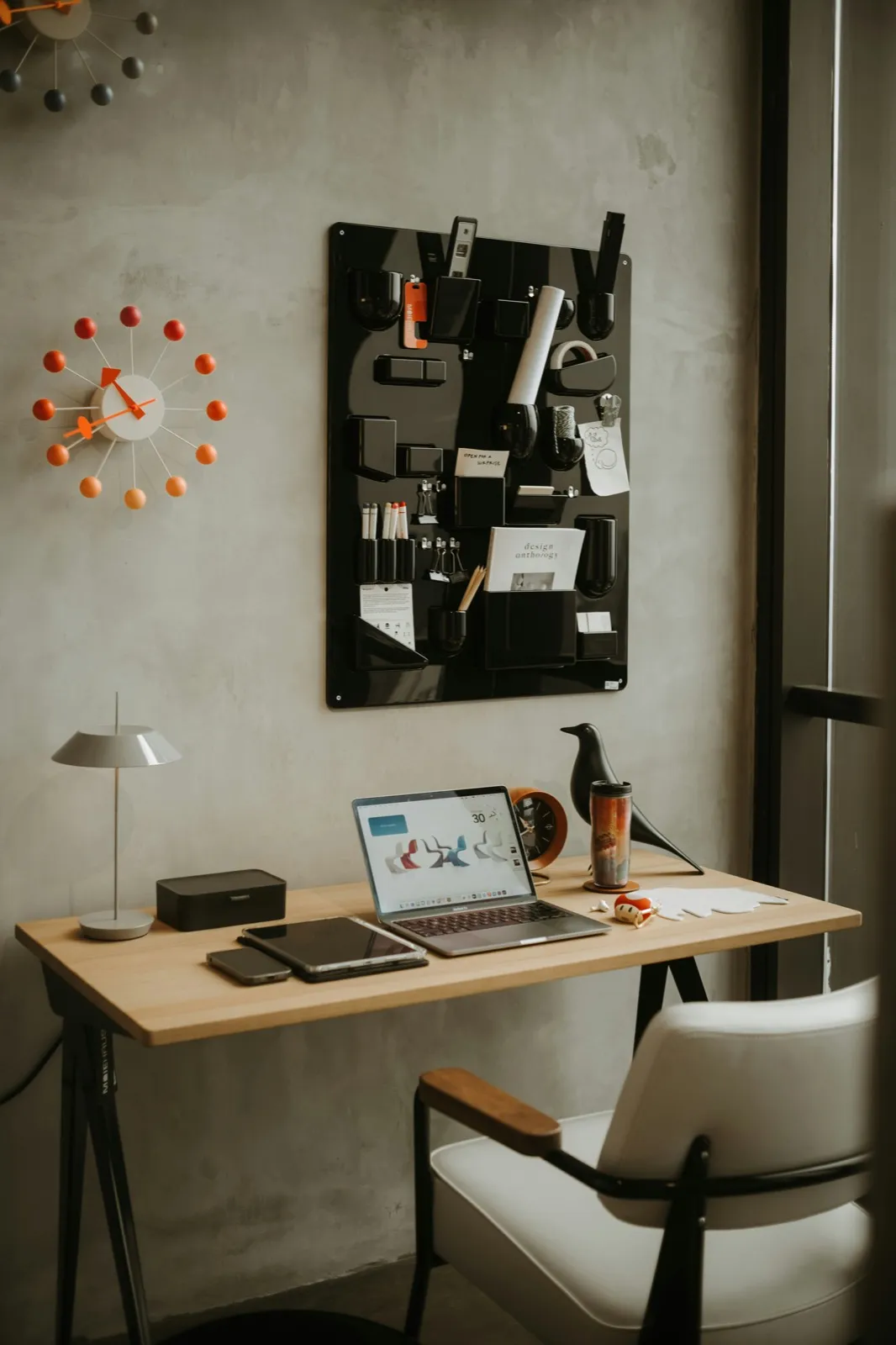
Wall-mounted storage saves floor space and keeps things accessible. Pegboards, wall-mounted shelving, or magnetic tool strips can turn unused wall space into organized storage. Mobile carts let you bring supplies to the station rather than walking back and forth to a central supply closet.
Label everything. It takes ten minutes and saves hours of confusion, especially when you have other people working in the space.
Client comfort
Your studio exists because of your clients. Small touches that make their experience more comfortable have an outsized impact on how they perceive your business and whether they come back.
Seating
Waiting area chairs should be comfortable enough for a 15-minute wait. They do not need to be expensive, but they should not be plastic folding chairs either. Something with a back, cleanable upholstery, and enough space between seats so people are not shoulder-to-shoulder.
Refreshments
Water at minimum. A water dispenser or bottled water at check-in is a baseline. Coffee, tea, or snacks are a nice touch but not essential. What matters is the gesture: you thought about their comfort.
Phone charging
A charging station or accessible outlets in the waiting area is a small addition that clients appreciate more than you would expect.
Communication
Tell clients what to expect. How long will it take? Is there a bathroom they can use? Where can they put their jacket and bag? These small pieces of information reduce anxiety, especially for first-time visitors. A smooth check-in process helps set the tone from the moment they walk in.
Branding your space
Your studio is your brand in physical form. The way the space looks and feels communicates who you are and who your clients are. Branding does not mean plastering your logo everywhere. It means making intentional choices about aesthetic that create a cohesive identity.
Start with a color palette
Pick two to three colors and use them consistently: walls, accent decor, towels, aprons, signage. Consistency reads as professional. A mishmash of unrelated colors reads as unplanned.
Display your work
Your best advertising is the work you have already done. Display photos of your work in the space. Frame prints, run a digital slideshow on a screen, or create a portfolio book for the waiting area. Let clients see the quality before their appointment starts.
Signage
Your exterior sign is the first thing people see. Make it clear, legible, and reflective of your brand. Interior signage should be minimal and functional: directions to the restroom, pricing if applicable, studio policies.
Online consistency
The experience of finding your studio online and walking in the door should feel connected. If your Instagram has a specific aesthetic, your physical space should echo that. Clients who found you online form expectations based on what they saw. Meeting those expectations builds trust. Breaking them creates doubt.
Permits and regulations
Do not skip the paperwork. Operating without proper permits risks fines, forced closure, and liability issues that no amount of interior design can fix.
Common requirements
- Business license. Required virtually everywhere. Register your business with your local authority before opening.
- Health department permit. Required for any studio providing skin-contact services. The inspection will cover your workspace, sanitation practices, equipment, and waste disposal. Prepare for this before you open, not after.
- Fire safety. Maximum occupancy, fire extinguisher placement, emergency exits, and signage. Your local fire department will have specific requirements.
- Signage permits. Many municipalities require permits for exterior signs. Check before you install.
- Insurance. Not technically a permit, but liability insurance is essential. It protects you if a client has a reaction, if someone is injured on your premises, or if equipment is damaged or stolen.
Plan ahead
Start the permit process early. Applications, inspections, and approvals take time. Building your entire studio and then discovering you need a three-month permit review is a costly delay. Talk to your local authorities during the lease negotiation phase, not after you have signed.
Budgeting for setup
Studio setup costs more than you think and takes longer than you expect. Plan for both.
Budget categories
- Lease costs. First month's rent, security deposit, and sometimes last month's rent upfront. This can be a significant chunk of your startup budget.
- Build-out and renovation. Painting, flooring, plumbing modifications, electrical work, partition walls. Get quotes before signing the lease so you know the true cost of making the space work.
- Furniture and equipment. Client chairs, your workstation, reception desk, waiting area seating, storage, mirrors.
- Lighting and ventilation. Task lights, ambient fixtures, exhaust fans, air purifiers.
- Supplies. Initial stock of consumables, cleaning products, and PPE.
- Permits and insurance. Application fees, inspection costs, insurance premiums.
- Branding. Signage, decor, display materials.
- Buffer. Add 15 to 20 percent to your total estimate. Something will cost more than you planned. Something else will need replacing sooner than expected. A financial cushion keeps a surprise expense from becoming a crisis.
Prioritize spending
Spend the most on things clients touch and things that affect your health. Client chairs, your own seating, task lighting, ventilation, and hygiene supplies are worth the investment. Decorative elements, while important for ambiance, can be added gradually. A studio with a great chair and bare walls is better than a beautifully decorated space with an uncomfortable chair and poor lighting.
Putting it all together
Setting up a studio is a project with many moving parts, and it is easy to get lost in the details. Keep coming back to the fundamentals: can you do your best work here? Will clients feel comfortable and confident? Does the space support good hygiene and safety practices?
Start with what matters most. Get the lease right. Get the layout right. Get the lighting right. Everything else can evolve over time. Your studio is not a finished product on opening day. It is a working environment that you will refine and improve as you grow. The studios that feel effortlessly professional did not start that way. They got there through hundreds of small, intentional decisions made over time.
Open the doors. Start working. Improve as you go.
Frequently asked questions
How much does it cost to set up a studio space from scratch?
Costs vary widely depending on location, size, and the type of work you do. A realistic range for a small studio is between 10,000 and 50,000 in your local currency. The biggest expenses are usually the lease deposit, build-out or renovation, furniture, and specialized equipment. Start with the essentials and add to the space as revenue allows. Trying to build the perfect studio on day one is a common way to run out of money before you build a client base.
Should I choose a high-traffic location or a quieter side street?
It depends on your business model. Walk-in-heavy services like barbershops and nail salons benefit from foot traffic and street visibility. Appointment-based studios like tattoo shops and aesthetic clinics can thrive on quieter streets where rent is lower, because clients are coming to see you specifically. If most of your bookings come from referrals and social media, you do not need prime retail frontage. Spend the rent savings on a better interior instead.
What is the most important thing to get right when designing a studio layout?
Flow. The path a client takes from the entrance through check-in, waiting, the service area, and back out should feel natural and logical. Clients should never have to walk through your storage room or squeeze past another workstation. A good layout also separates client-facing areas from back-of-house operations so the studio always looks organized and professional from the client's perspective.